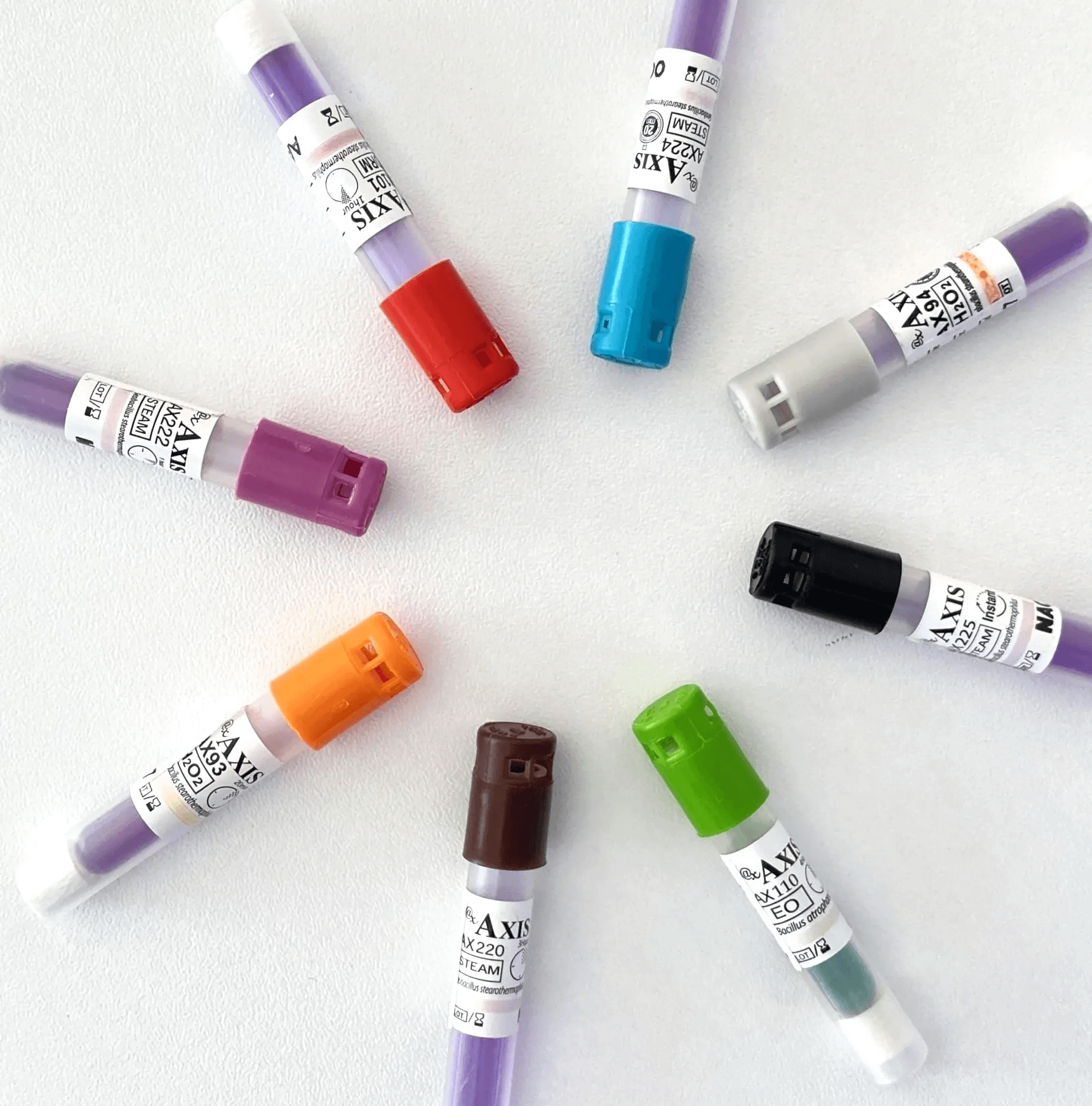
When a medical device can't survive heat — think plastics, electronics, or fiber optics — chemical sterilization steps in. Two agents dominate this space: Ethylene Oxide (EtO) and Hydrogen Peroxide (H₂O₂) plasma. Both eliminate every microorganism on a device, but they do it very differently.
Ethylene Oxide (EtO)
EtO has been the gold standard for heat-sensitive device sterilization since the 1960s. It penetrates deep into packaging and complex device geometries, working by alkylation — binding irreversibly to the proteins and DNA of microorganisms and preventing them from reproducing. It's effective against bacteria, viruses, fungi, and even heat-resistant spores, and is compatible with virtually all plastics, polymers, and rubbers.
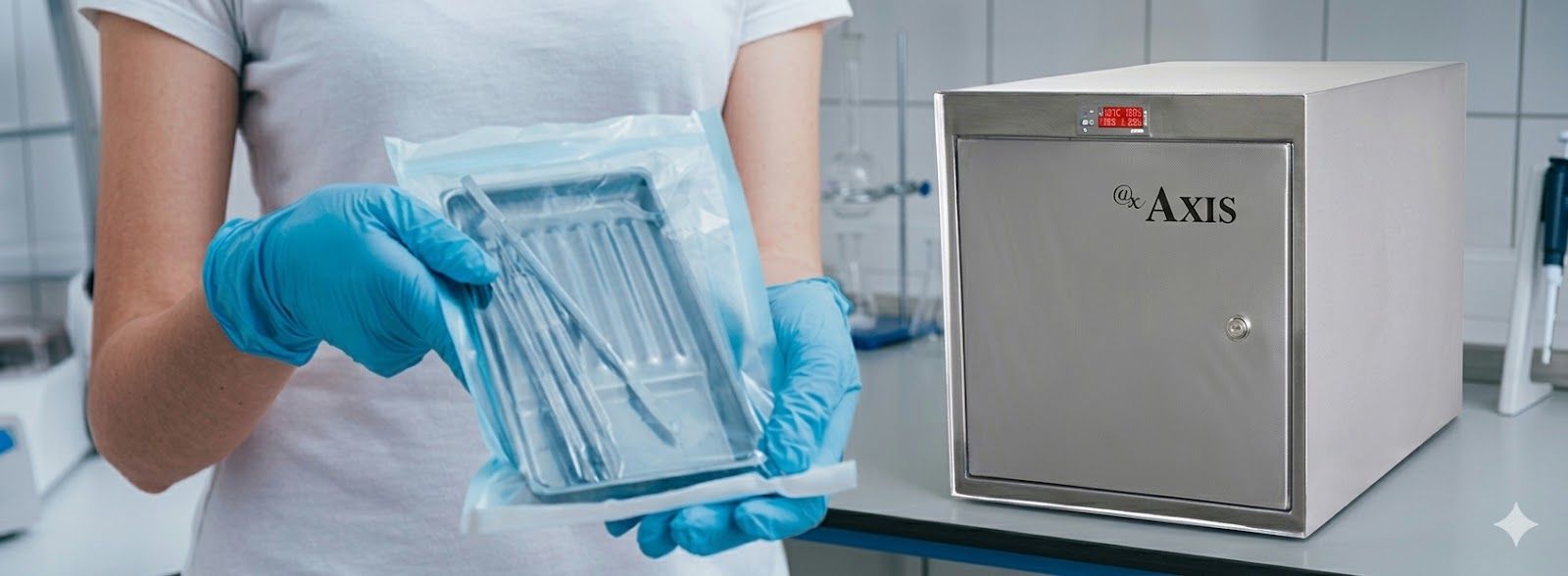
EtO is toxic, flammable, and classified by the IARC as a Group 1 human carcinogen, so safe handling is non-negotiable. Regarding environmental impact, EtO emissions can be effectively captured and neutralized using dedicated gas scrubber systems — such as the Axis Ethylene Oxide Gas Scrubber — which treat exhaust gases before release. With the right abatement infrastructure in place, EtO sterilization is both a responsible and environmentally manageable choice.
Hydrogen Peroxide Plasma
H₂O₂ plasma is the faster, residue-free alternative. Peroxide vapor is energized into a reactive plasma state, generating free radicals that destroy microorganisms through oxidation. Cycles are short, and the only byproducts are water and oxygen — no toxic residues and no aeration period required.
The trade-off is narrower compatibility: it struggles to penetrate long, narrow lumens and cannot be used with cellulosic materials like paper or linen. It also carries occupational hazards — the IARC notes mutagenic effects in animal studies, and airborne exposure must remain below 1 ppm per OSHA and EU-OSHA guidelines.
Which Should You Choose?
EtO leads on penetration depth and material compatibility, making it the default for complex single-use devices at industrial scale. With a scrubber system handling emissions, its environmental footprint is well-controlled. H₂O₂ plasma excels on turnaround speed and cycle simplicity.
Both methods demand validated protocols, proper equipment, and expert oversight. The best choice depends on the device, the setting, and the infrastructure available — with the right controls, both can be used safely and responsibly.